
Why compare these three markets?
Most international property investors we speak to are considering more than one market. The combination of Dubai, Malaysia, and the UK is particularly common — they cover different risk profiles, currencies, time zones, and residency pathways. Each has a genuine case. None is universally superior.
What follows is the most direct comparison we can make. We cover all three markets — PropSentral has listings in each — which means we have no commercial reason to favour any one. The recommendations at the end are based on investor profile, not market preference.
Head-to-head comparison
Entry price (1-bed)
Dubai
AED 800K–1.5M (USD 218K–408K)
Malaysia
RM 1M–2M (USD 210K–420K)
United Kingdom
£200K–550K (USD 254K–700K)
Verdict: Similar USD range across all three
Gross rental yield
Dubai
5–8% (premium areas 5–6%; JVC/Arjan 7–8%)
Malaysia
4–6% (KLCC 4–5%; emerging areas 5–6%)
United Kingdom
3.5–7.5% (London 3.5–5%; regional 5–7.5%)
Verdict: Dubai and UK regional lead on yield
Off-plan payment plan
Dubai
20% booking + milestone pay + 60-80% on handover
Malaysia
Milestone-linked (10% sign + 85% over build stages)
United Kingdom
10% on exchange + 90% on completion (mostly binary)
Verdict: Dubai most flexible; UK least flexible
Capital growth (5-yr to 2026)
Dubai
+60–90% in prime areas; +40–60% in emerging
Malaysia
+15–30% KL prime; modest elsewhere
United Kingdom
+20–35% London; +30–50% regional (Manchester, Leeds)
Verdict: Dubai leads on absolute growth; UK regional strong
Rental income tax
Dubai
0% — no income tax for individuals
Malaysia
25% RPGT-linked; rental income tax at marginal rate
United Kingdom
20–45% income tax on net rental income
Verdict: Dubai is clear winner on rental tax efficiency
Capital gains tax on sale
Dubai
0% — no CGT
Malaysia
10–30% RPGT (foreigners pay higher rate)
United Kingdom
24% CGT for non-residents; 60-day reporting
Verdict: Dubai unbeatable on exit tax
Transaction costs (buying)
Dubai
~4% DLD fee + 2% agent + 0.25% mortgage
Malaysia
3–6% stamp duty + 1% legal + state consent fee
United Kingdom
2–14% SDLT (non-residents pay higher; scales by value) + 2% legal
Verdict: Dubai lowest for most price points; UK most expensive
Residency pathway
Dubai
Golden Visa: AED 2M+ (10-yr renewable)
Malaysia
MM2H: RM 1.5M assets + RM 1M fixed deposit
United Kingdom
Investor Visa abolished 2022 — property alone no longer qualifies
Verdict: Dubai most accessible; UK effectively closed
Currency risk (USD investors)
Dubai
None — AED pegged to USD
Malaysia
Yes — MYR floats; historically stable but volatile
United Kingdom
Yes — GBP floats; significant volatility since 2016
Verdict: Dubai eliminates currency risk for USD investors
Liquidity on exit
Dubai
High — active secondary market, fast transactions
Malaysia
Moderate — thinner secondary market; RPGT incentivises holding
United Kingdom
High in London; moderate regional; 3–6 month typical sale period
Verdict: Dubai and London broadly comparable
Which market for which investor profile
Yield-focused investor (capital preservation)
→ Dubai or UK regionalDubai offers 5–8% gross with zero income tax. UK regional (Manchester, Birmingham) delivers 5–7.5% but subject to 20–45% income tax. Dubai net yield wins clearly.
Capital growth investor (long horizon)
→ Dubai or UK regionalDubai has the stronger growth track record over 5 years, but prices are higher than they were. UK regional cities are earlier in their cycle and may offer more runway.
Residency seeker
→ DubaiDubai's Golden Visa (AED 2M+ property) is the most accessible route. Malaysia's MM2H is demanding on liquid assets. UK's investor visa was abolished in 2022.
Cash-flow focused (short-term rental)
→ DubaiDubai has no planning restrictions on short-term rental in most buildings. UK has 90-night caps in London. Malaysia restricts Airbnb in some developments.
Low-entry investor (under USD 250K)
→ Malaysia or UK regionalRM 1M (USD 210K) in Malaysia gives access to quality KL condos. UK regional cities offer genuine investment stock from £200K. Dubai's minimum meaningful investment is higher.
Tax-efficiency priority
→ Dubai0% income tax, 0% CGT, 0% inheritance tax on Dubai property. No other major market matches this trifecta. UK and Malaysia both tax rental income and gains on disposal.
The diversification case
A growing number of investors we speak with don't choose one market — they allocate across two or three. The rationale is straightforward: different growth cycles, different currencies, different tax regimes.
A typical diversified allocation we see is: Dubai (AED, zero tax, high liquidity) as the core position; Malaysia (MYR, lifestyle/MM2H angle, lower entry) as the secondary; UK (GBP, capital growth in regional cities) as the third leg. This structure avoids concentration in any single market cycle, currency, or regulatory environment.
The practical constraint is management bandwidth — unless you have property managers in each location, managing three markets simultaneously adds operational complexity. For passive investors, Dubai's short-term rental management industry is the most developed of the three; UK has mature letting agents; Malaysia's property management infrastructure is improving but thinner.
The UK leg of that allocation, live now
Vita Living Circle Square North — regional UK build-to-rent in Manchester, the third-leg example referenced above.

Select Property
Vita Living Circle Square North
Circle Square, Oxford Road, Manchester City Centre, M1

Aldar Properties
London Square Nine Elms
One Linear Place, Ponton Road, Nine Elms, London SW11 7BA

Aldar Properties
Twickenham Square
Egerton Road, Twickenham, London TW2 7SL
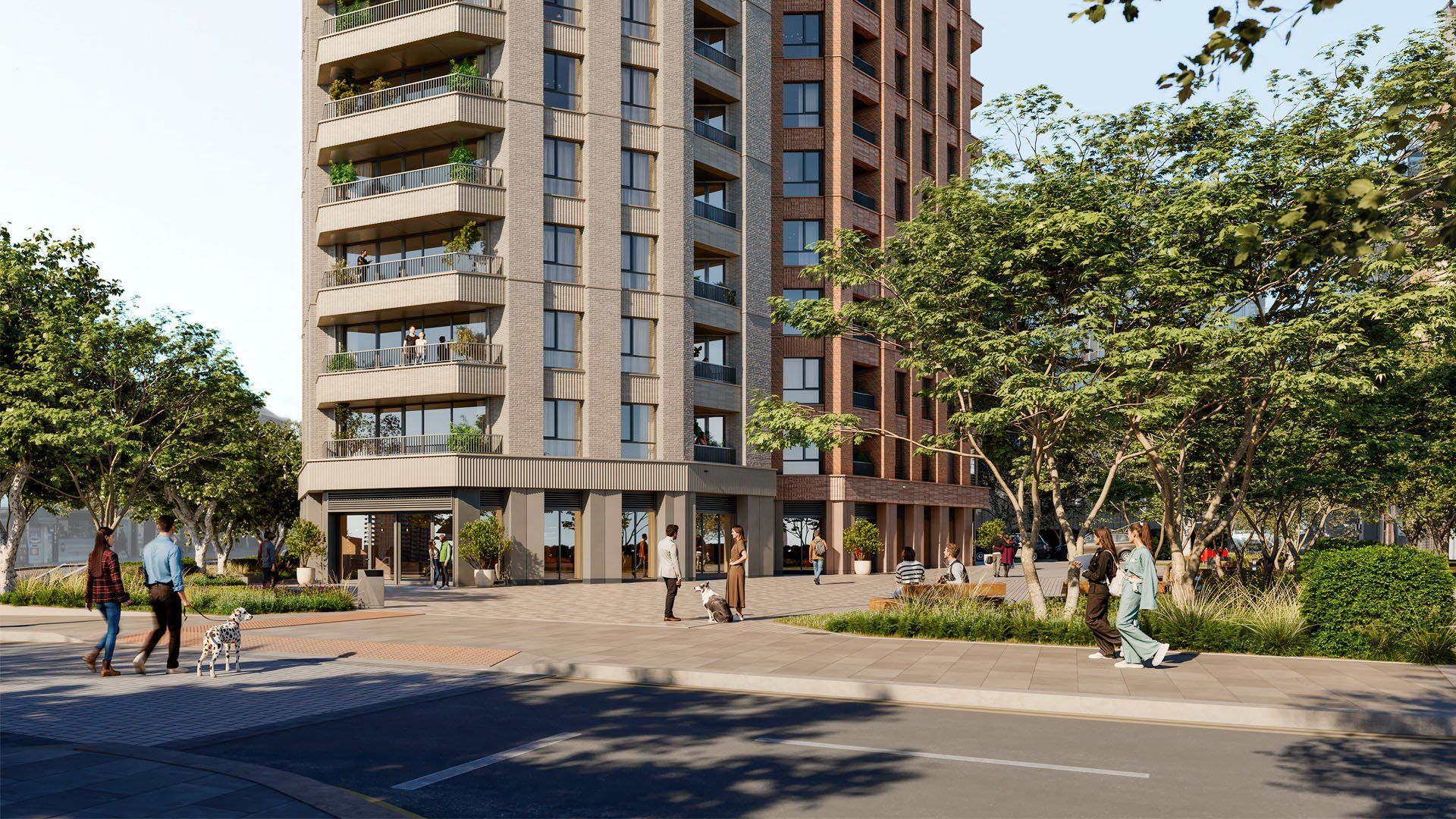
Aldar Properties
London Square Woolwich
Woolwich New Road, Woolwich, London SE18 6ED
Disclaimer
Market data is indicative as of June 2026. Tax rules, yield ranges, and residency programme terms change — verify current specifics with a qualified adviser in each jurisdiction. This is not financial or tax advice.